The conversation gives wealth professionals a large private-market manager's view of the operational constraints behind AI infrastructure and of how Brookfield has built its alternatives platform.
It offers a manager's framing of where the AI infrastructure buildout is actually constrained, which is relevant to anyone weighing real-asset and infrastructure exposure. The conversation also touches on Brookfield's private credit platform, a segment wealth channels increasingly encounter.
For wealth professionals, the episode frames AI accountability at the deploying organization and discusses how AI may affect jobs and early-career workers. It offers a manager's view of AI adoption and governance rather than a technical or investment discussion.
It offers a commodities desk's view of what is driving oil prices beyond headline supply data, which is relevant to allocators thinking about inflation and cross-asset sensitivity. The hedging argument in particular speaks to how oil is being used in portfolios rather than only traded as a commodity view.
For wealth professionals considering emerging-market and sector exposure, the discussion lays out how Chinese competition is described as affecting local companies’ revenue and market capitalization.
Advisors working with business-owning families get a framework for when and how to start succession conversations, plus a view of the transition clients face after a liquidity event. The episode is paired with a Goldman Sachs report on family-owned businesses.
For wealth professionals, the episode lays out a specific read on Fed policy, market pricing and the crosscurrents in the economy that may affect rate-sensitive portfolios. It also frames the labor market, tariffs, immigration constraints and an oil shock as a supply-side setup with no textbook precedent.
The themes are behavioral and evidence-based rather than product-focused, which is close to the conversations advisors have with clients during unsettled markets. The description notes Dimensional manages more than $1 trillion in assets, giving a sense of the scale behind the speaker's views.
For wealth professionals, the episode offers a management-level view of AI accountability and deployment, including how financial firms’ risk and control processes might inform AI implementation and what Solomon says to young analysts worried about AI. It also addresses client experience and small business considerations tied to AI adoption.
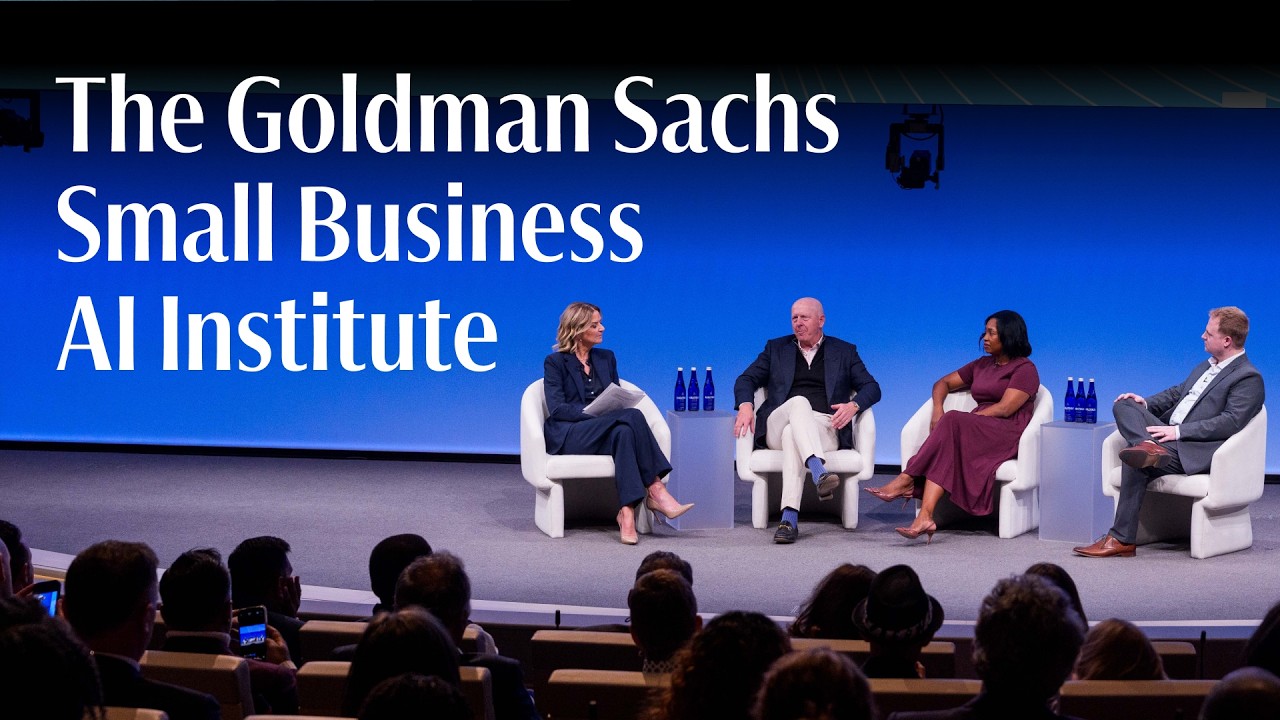
Many advisory clients are owner-led businesses, and this lays out how a large financial firm and several AI companies are organizing training and tools aimed at that group. It is a corporate programme announcement rather than a discussion of advisory practice or portfolio management, so the relevant content is limited to what is described.
The material notes that bond and equity prices are unusually sensitive to oil prices, prompting institutional investors to buy crude as a hedge. That makes the discussion relevant to wealth professionals thinking about commodity-driven portfolio risk.
For wealth professionals, it offers a manager view on how policy, rates and geopolitics were framed against rising equity markets, plus the Investment Strategy Group’s outlook.