For advisors with clients holding newly public stock, the episode frames the concentration problem and the risk, liquidity and planning questions that follow.
For wealth professionals working on retirement income, the episode compares how different markets are approaching individual savings, automatic enrollment and decumulation. It frames the next phase of retirement innovation around financial security throughout retirement rather than asset accumulation alone.
The episode puts US 401(k) developments and retirement income debates in an international context, which may help wealth professionals frame client conversations about decumulation and plan design. It also outlines how different markets are assigning responsibility for retirement savings between governments, employers and individuals.
It is a short manager view on how an energy supply shock is transmitting into shipping and refining rather than only headline oil prices, and it sets out where the firm says it is positioned as a result.
For wealth professionals, the episode addresses a client challenge that extends beyond portfolio construction: helping clients with concentrated stock and newly created wealth make decisions around risk, liquidity, taxes and estate planning.
For wealth professionals assessing sovereign and credit exposure amid higher yields, the item frames selectivity around yield drivers, using France’s bond selloff as the example.
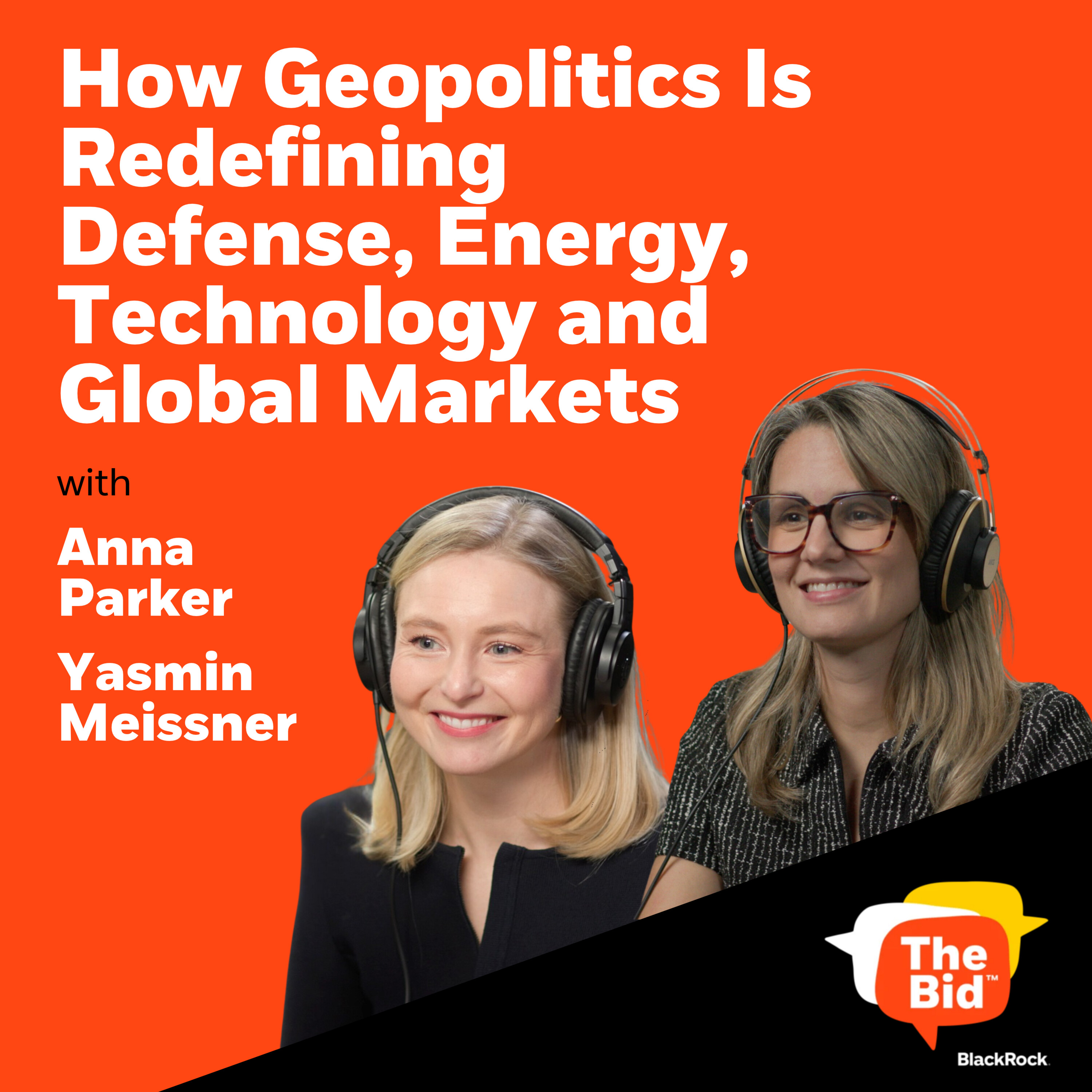
It offers a thematic framing from a large manager on how geopolitical risk is being mapped to sectors, which advisors may find useful when clients ask about defense, energy security or AI exposure. The chapter structure lets listeners jump to specific pillars rather than take the whole episode.
For advisors working with retirement income or plan participants, it offers a cross-market comparison of how retirement responsibility is shifting and where 401(k)-style models and personal pensions are heading.
It offers a manager's framing of how geopolitical fragmentation is being translated into thematic investment language across energy, defense and technology. Advisors hear the specific areas the guests flag, from autonomous systems and counter-drone technology to AI sovereignty and supply chain dependencies.
It gives wealth professionals a plain-English framework for distinguishing tokenized cash from crypto and for understanding how tokenization could change cash movement and market infrastructure. The discussion is grounded in regulatory, interoperability and adoption questions rather than product recommendations.
It offers wealth professionals a thematic view of how AI adoption may spread across sectors and create physical constraints around power, semiconductors and materials. The discussion of infrastructure, robotics and digital assets gives context for how the AI build-out is being framed in capital markets.
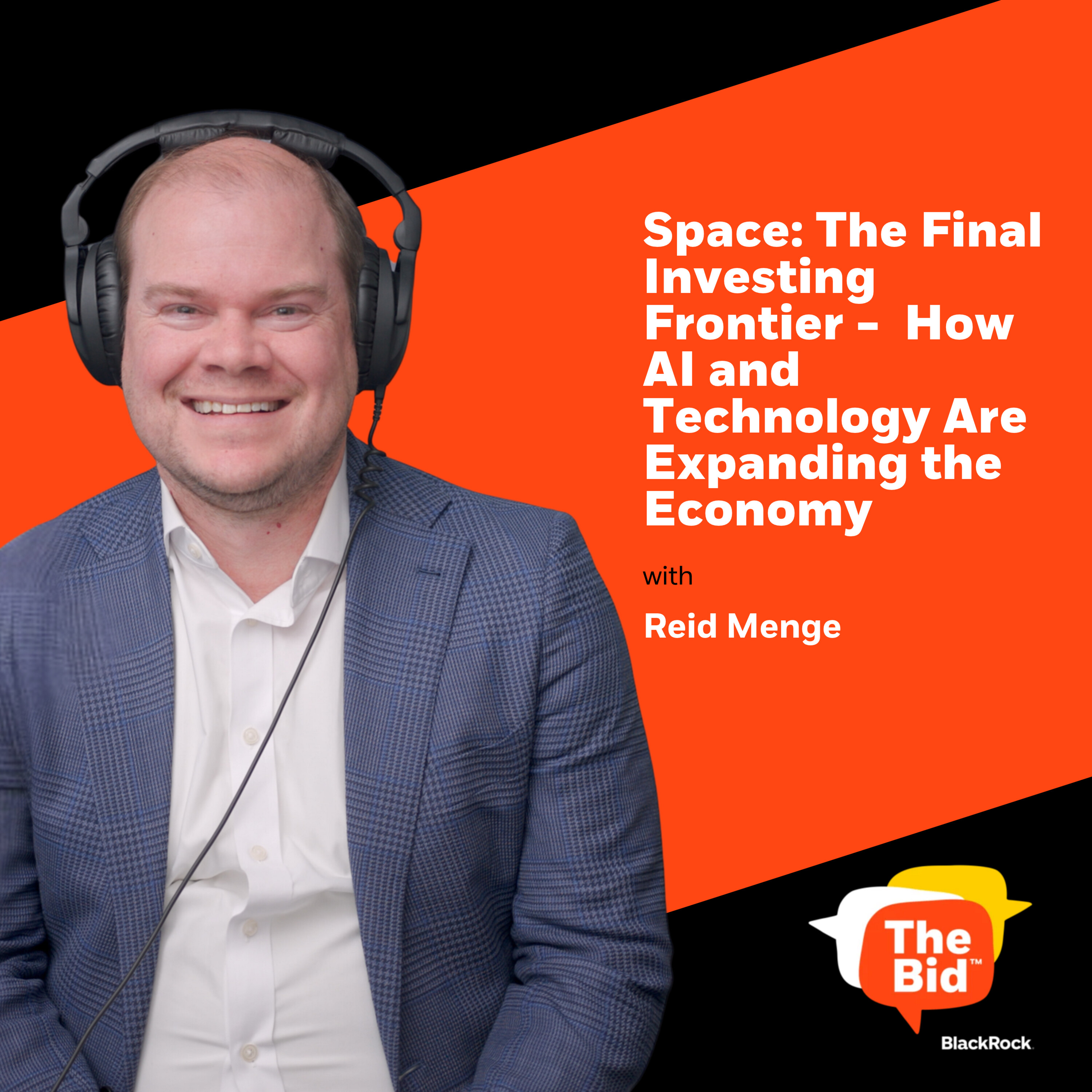
Advisors looking for context on how space-related activity connects to AI infrastructure, government spending and industrial supply chains may find the discussion useful. The episode also covers execution risk and technological complexity as variables in the industry’s development.
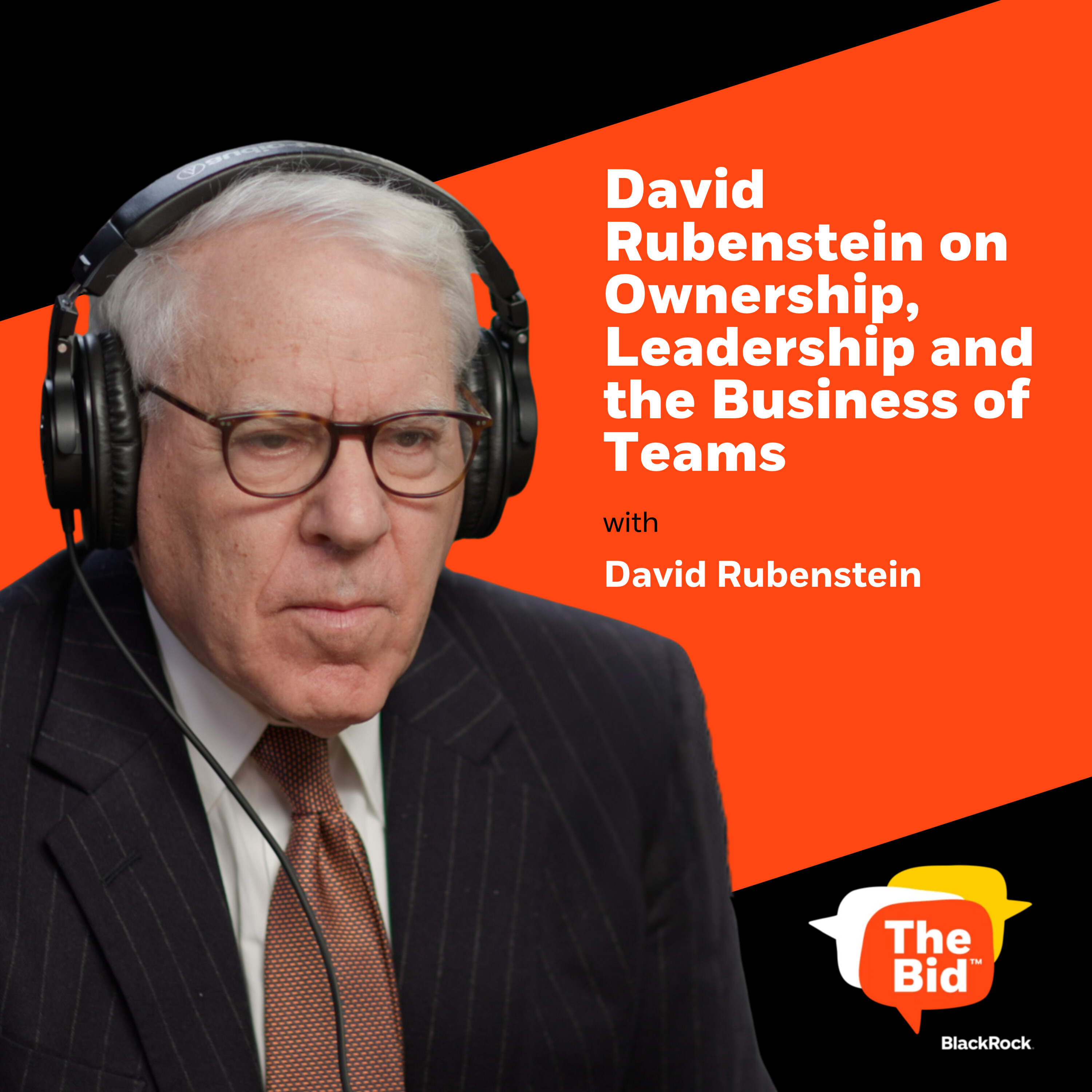
For wealth professionals whose clients ask about sports teams and other unusual assets, the episode offers an owner's view of how such assets are framed and governed. It also touches on long-horizon decision-making and leadership outside a pure return framework.
It gives wealth professionals a concise framework for explaining two popular income ETF approaches to clients, including the income-versus-growth trade-off and tax points. The comparison may be useful when discussing portfolio income choices and how different ETF strategies behave in varying market conditions.