Jeffrey Gundlach and Neil Howe: Two Roads to the Fourth Turning
It pairs a bond manager's debt-and-rates framing with a historian's long-cycle view, which is useful context for advisor conversations about fiscal risk and client anxiety. The closing discussion on AI capital spending and investor behavior speaks to how narratives shape allocation decisions.
Summary
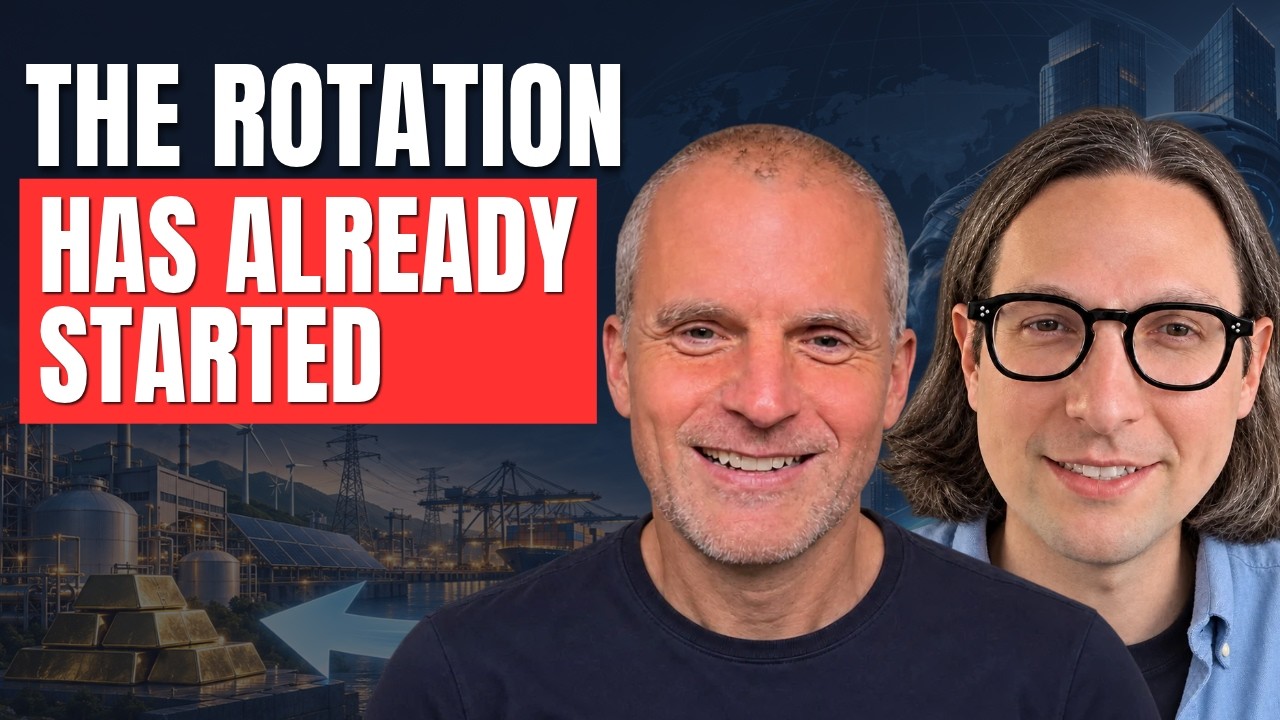
By the bonds & fixed income deskDoubleLine's Jeffrey Gundlach and historian Neil Howe, co-author of The Fourth Turning, compare how they arrived at similar expectations of a coming crisis: Gundlach from the trajectory of U.S. national debt and Social Security funding, Howe from generational history. Gundlach lays out three ways he sees the Social Security gap being closed, including restructuring Treasury debt, printing money, or a third option he says he thought of this year. The conversation, moderated by Zurich North America regional CIO Karyn Williams at the CFA Society's PORTFOLIO 2026, closes with portfolio positioning and AI, where Howe likens the hyperscaler buildout to the railroad boom.
- Gundlach says the projected date for Social Security benefit cuts keeps getting closer and describes three ways to close the gap, the last being a break-up of the country that he calls 'a way to default without any responsibility.'
- Howe argues major institutional changes come only at moments of crisis, noting Social Security itself was created in 1935 and predicting restructuring only 'when the wolf is at the door.'
- Gundlach describes a bind in which fighting inflation means higher rates, which raise the interest bill on a national debt that passed $40 trillion in August.
- Howe compares today's hyperscaler buildout to the railroad boom, with companies investing out of fear as well as greed, and Gundlach adds that the most money is lost when people feel they 'need to do something.'
Similar items
Same topic


Get the weekly 3 to watch
Free, in the Morning BriefEvery week the Morning Brief picks three videos and podcasts worth your time, with why each one matters.
Free. Every morning. Unsubscribe from any edition in one click.
Videos and podcasts are embedded from their publishers. Selections and summaries are editorial and are not investment advice.