BSP Credit Insights: A resilient market, but it’s bifurcating
For wealth professionals with private credit exposure, the video focuses on default-rate measurement and borrower bifurcation, two areas relevant to monitoring risk and discussing manager commentary with clients. It frames the data behind the headlines rather than treating credit-market resilience as uniform.
Summary
By the private credit deskBenefit Street Partners' Anant Kumar examines how stress in private credit is being measured, including why default rates vary by methodology and why realized losses matter. The video looks at how inflation and higher borrowing costs are affecting stronger and weaker borrowers differently, and where lenders are regaining bargaining power. It concludes that credit markets remain broadly resilient while the gap between stronger and weaker borrowers is widening.
- Private credit default rates vary depending on how they are measured, and realized losses matter.
- Inflation and higher borrowing costs are affecting stronger and weaker borrowers differently.
- Lenders are regaining bargaining power in some areas, while strong borrowers still have options.
- Credit markets remain broadly resilient, but the gap between stronger and weaker borrowers is widening.
Similar items
Same topic Episode 94: Portfolio Crosscurrents: Higher Rates, the Fed in Play, AI Scrutiny, a Blue Tsunami, and more | MMMacro Markets (Guggenheim Investments) |
 The future of private credit: More strategies, more complexity, more opportunity | PPThe PEI Private Credit Podcast |
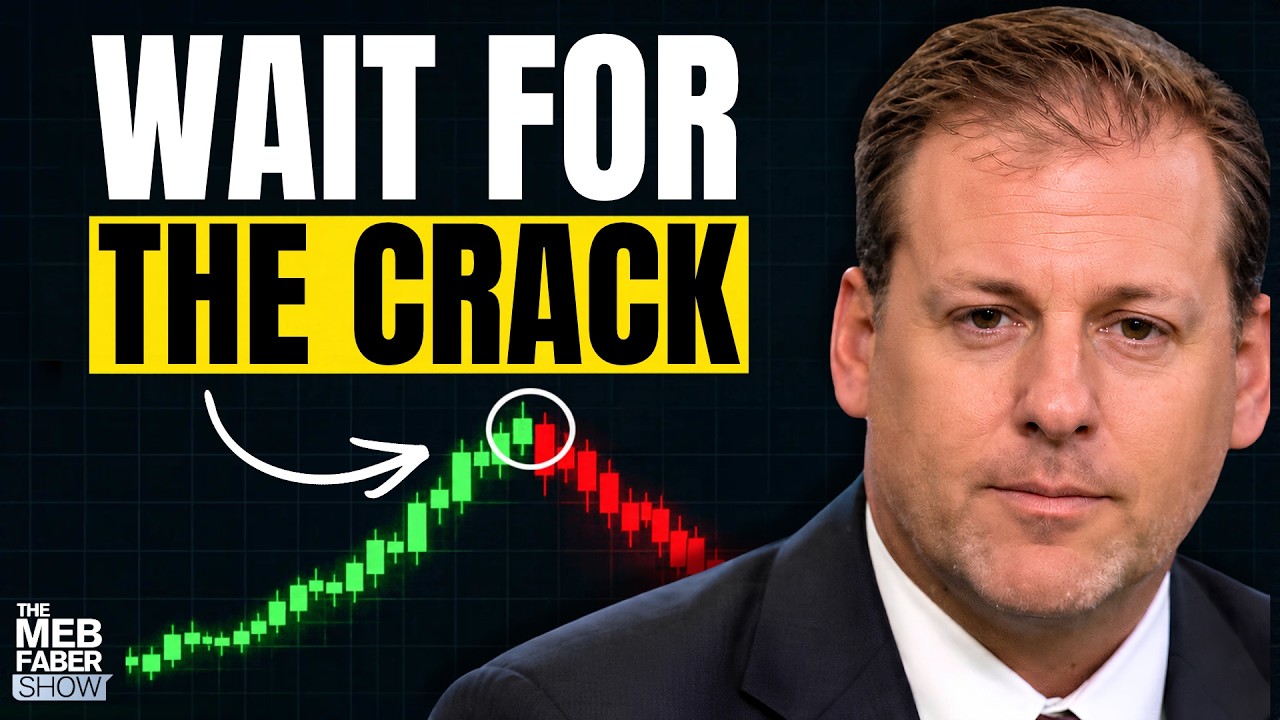 How to Get Out of a Bubble Without Selling Too Early: Jeff deGraaf Explains | MFThe Meb Faber Show |
 RenMac’s Jeff deGraaf: There Is Finally an Alternative to Stocks | #657 | MFThe Meb Faber Show |
 Sorting Noise From Reality: What's Actually Broken in Private Credit's Default Story | JSJuniper Square |
Get the weekly 3 to watch
Free, in the Morning BriefEvery week the Morning Brief picks three videos and podcasts worth your time, with why each one matters.
Free. Every morning. Unsubscribe from any edition in one click.
Videos and podcasts are embedded from their publishers. Selections and summaries are editorial and are not investment advice.